
Stretching is an essential part of maintaining a healthy body, yet many people overlook it in their daily routines. Whether you’re new to exercise or looking for ways to relieve muscle tension after a long day, stretching at home is a convenient and effective solution. In this beginner’s guide, we’ll explore the benefits of stretching, how to get started, and share some easy stretches you can do right in your living room.
Why Stretching Matters
Stretching helps keep your muscles flexible, strong, and healthy. Regular stretching can:
– Improve your range of motion
– Reduce muscle stiffness and soreness
– Enhance circulation and blood flow
– Promote better posture
– Help prevent injuries during physical activities
– Reduce stress and promote relaxation
Even if you’re not very active, gentle stretching can boost your overall comfort and mobility.
When to Stretch
Choosing the right time to stretch depends on your goals and activity level. Consider these guidelines:
– Before exercise: Focus on dynamic stretches that gently warm up your muscles.
– After exercise: Use static stretches to relax muscles and improve flexibility.
– Anytime: Gentle stretching during the day can relieve tension caused by sitting or standing for long periods.
If you’re just starting out, stretching at a consistent time—like morning or evening—helps build a habit.
How to Prepare for Stretching at Home
Before you begin, keep a few tips in mind:
– Wear comfortable clothing: Loose, stretchy clothes make movement easier.
– Find a quiet space: A calm, clutter-free area helps you focus.
– Use a mat or soft surface: This provides cushioning for your joints.
– Warm up slightly: If you’re cold or haven’t moved much, walk or march in place for a few minutes.
– Listen to your body: Stretch gently without forcing any movement. Avoid pain.
Basic Stretching Techniques
There are two main types of stretches beginners should know:
Static Stretching
Hold a stretch steadily for 15-30 seconds without bouncing. This helps lengthen muscles and increase flexibility.
Dynamic Stretching
Move your body gently through a full range of motion, such as leg swings or arm circles. This warms up muscles before activity.
Easy Stretches to Try at Home
Here are some simple stretches suitable for beginners. Remember to breathe deeply and relax into each stretch.
Neck Stretch
– Sit or stand tall.
– Slowly tilt your head toward your right shoulder until you feel a stretch on the left side of your neck.
– Hold for 20 seconds, then switch sides.
Shoulder Roll
– Sit or stand with your arms relaxed.
– Roll your shoulders backward in a slow circular motion 10 times.
– Repeat rolling forward 10 times.
Seated Forward Bend
– Sit on the floor with your legs straight in front of you.
– Gently reach toward your toes, keeping your back straight.
– Hold for 20-30 seconds. If you can’t reach your toes, rest your hands on your shins.
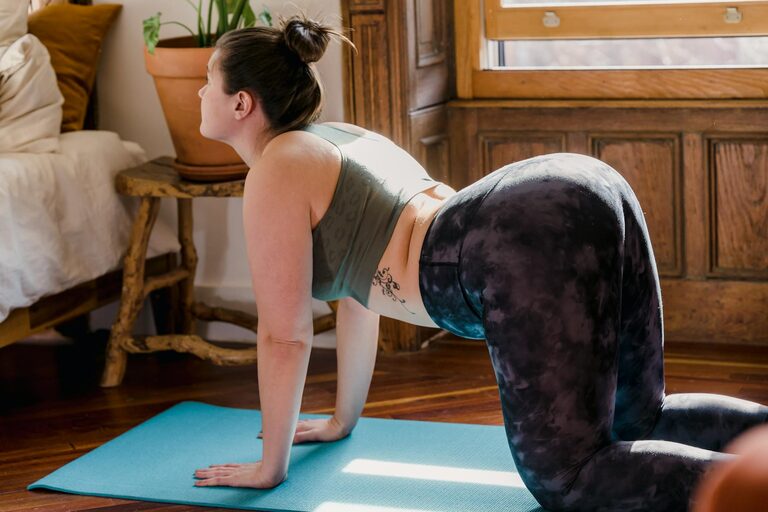
Cat-Cow Stretch (Good for Spine Mobility)
– Start on your hands and knees in a tabletop position.
– Inhale, arch your back and lift your head and tailbone toward the ceiling (Cow).
– Exhale, round your back and tuck your chin toward your chest (Cat).
– Repeat 8-10 times.
Standing Quad Stretch
– Stand tall and hold onto a chair or wall for balance if needed.
– Bend your right knee, bringing your heel toward your buttocks.
– Hold your ankle with your right hand.
– Keep your knees close together and push your hips forward slightly.
– Hold for 20 seconds and switch legs.
Child’s Pose Stretch
– Kneel on the floor and sit back on your heels.
– Stretch your arms forward and lower your forehead to the floor.
– Breathe deeply and hold for 30 seconds.
Tips for Creating a Stretching Routine
– Start small: Begin with 5-10 minutes, then gradually increase time.
– Be consistent: Stretch daily or at least 3-4 times a week for best results.
– Focus on major muscles: Neck, shoulders, back, hips, quads, and hamstrings.
– Warm up if needed: A light walk or march helps prepare your muscles.
– Don’t rush: Move slowly into each stretch and hold steady.
– Stay hydrated: Drink water before and after your stretching session.
Common Mistakes to Avoid
– Stretching cold muscles without warm-up
– Bouncing or jerking during a stretch (ballistic stretching)
– Holding your breath
– Stretching to the point of pain
– Neglecting balanced stretches for all muscle groups
Final Thoughts
Stretching at home is an easy way to boost your flexibility, relieve tension, and feel more energized throughout the day. With simple routines and a little consistency, you can build a healthy habit that supports your overall fitness and well-being. Remember to listen to your body, take your time, and enjoy the calming benefits of stretching.
Start today with these beginner-friendly stretches, and you may be surprised how quickly your body feels looser and more comfortable. Happy stretching!